THE SIGNS
Droppings come first
Droppings are black, rod-shaped and 3 to 6 mm long. Watford Borough Council says they are often the first sign of mice.
Check the signs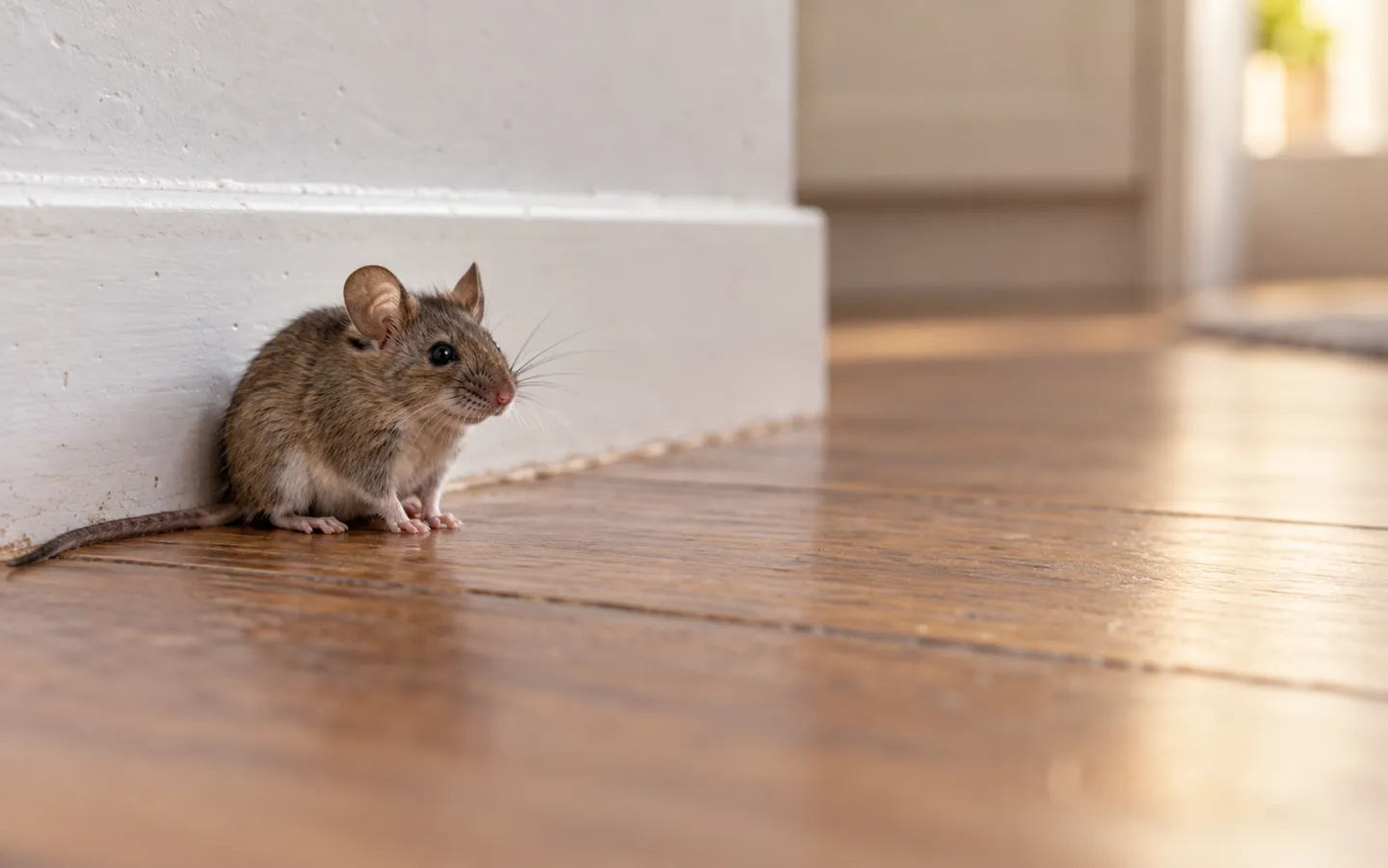
 doodlemice
WHAT THE GUIDANCE SAYS
5 MM is enough
That is all a house mouse needs to get in.
House mice come indoors all year round for food and shelter, and their numbers can rise quickly. UK council environmental health teams agree on the signs to look for and the gaps worth sealing.
Updated
Check the signsTHE SHORT ANSWER
Mice come in for food and shelter.
Take away both and they look elsewhere.
THE SIGNS
Droppings are black, rod-shaped and 3 to 6 mm long. Watford Borough Council says they are often the first sign of mice.
Check the signsTHE GAPS
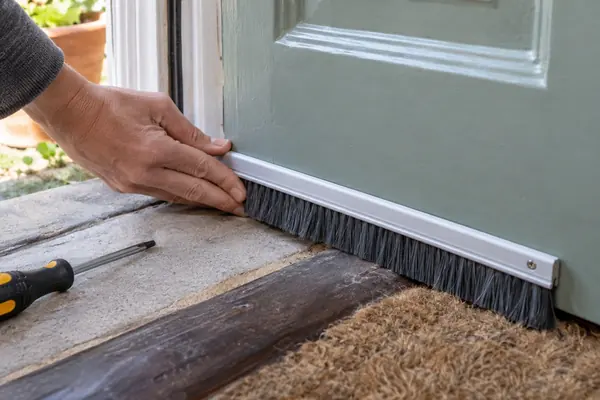
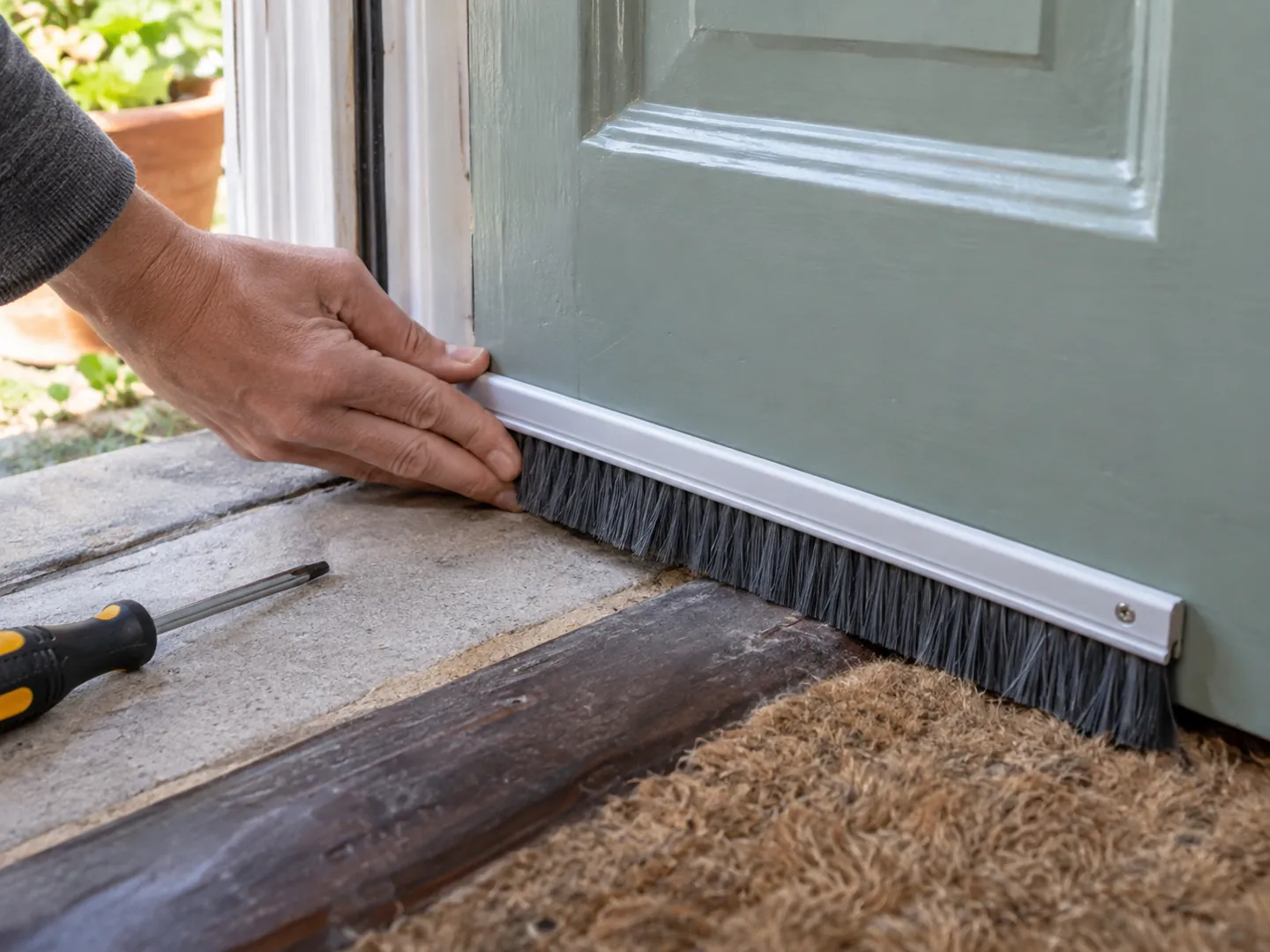
Councils say to seal gaps around heating and water pipes and fit brush or bristle strips under external doors.
Proofing stepsTHE FOOD
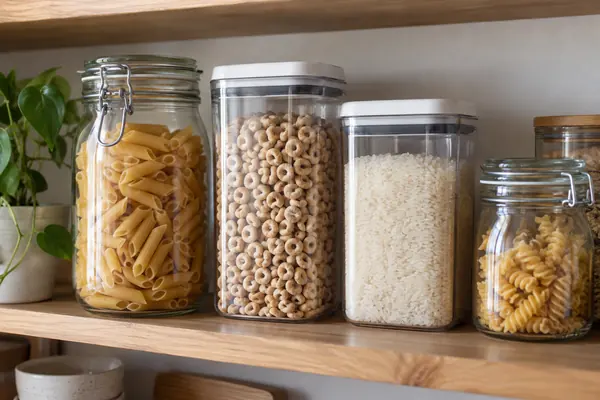
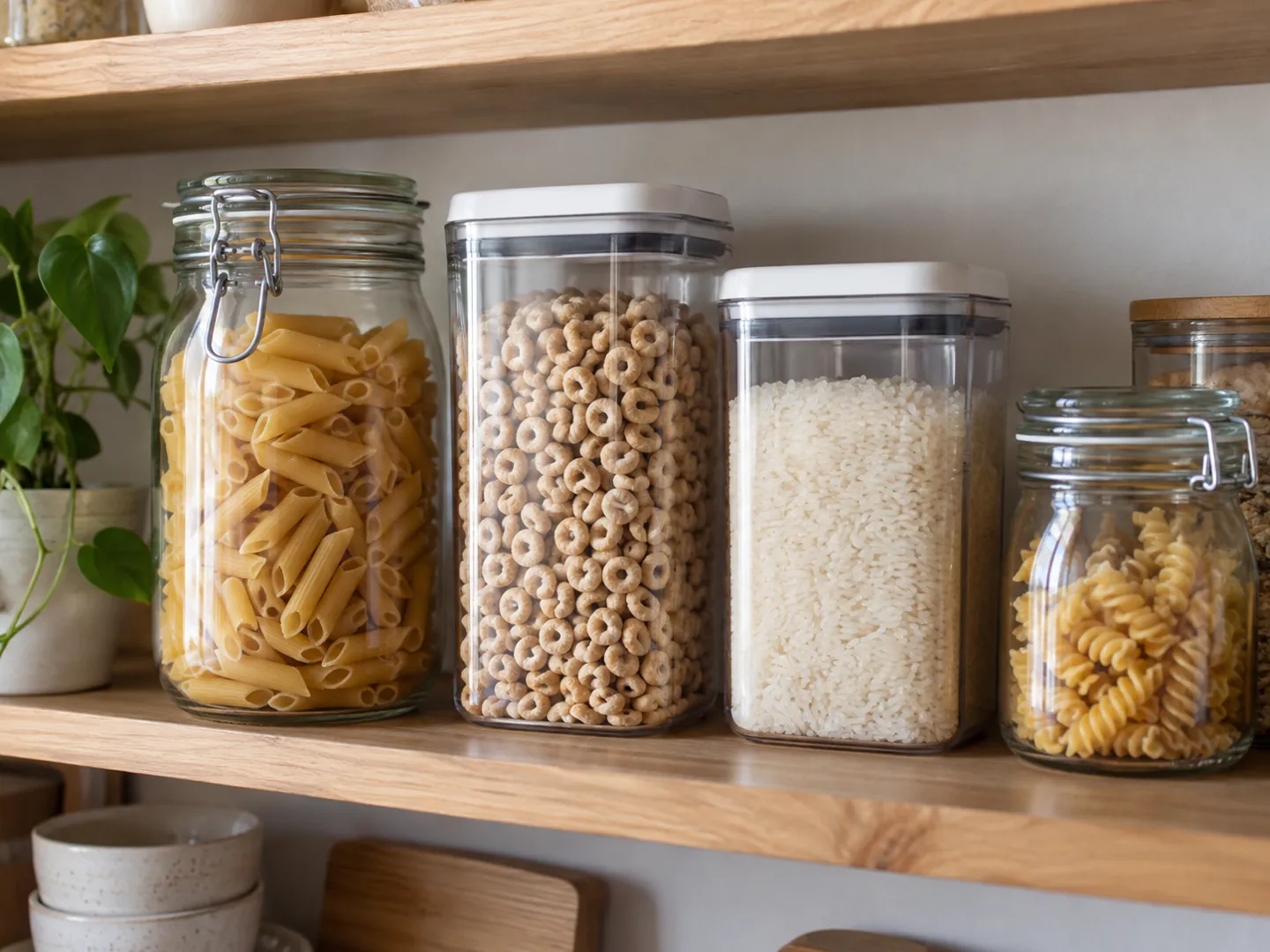
Store food off the ground and keep opened packets in sealed or airtight containers. Close bin lids and composters.
See the numbersA QUICK SIGNS CHECK
Pick what you have noticed to see what councils say it means. The bar shows how strongly it points to mice.
Based on UK council environmental health advice. If unsure, contact your council's environmental health team.
TWO NUMBERS WORTH KNOWING
One figure on how many signs one mouse leaves,
one on how fast a few become many.
≈ 80 a day
Droppings left by one mouse in a day
Burnley and Mid and East Antrim councils say each mouse can leave approximately 80 droppings per day, which is why droppings are often the first thing people notice.
DROPPINGS · UK COUNCILS
5–10 a year
Litters a house mouse can have each year
Birmingham City Council says mice produce 5 to 10 litters a year with about 4 to 8 young in each, and typically live 10 to 24 months.
BREEDING · BIRMINGHAM CITY COUNCIL
Councils give slightly different gap sizes: about 5 mm (Burnley, Mid and East Antrim), 6 mm (Watford) and about 1 cm, the size of a 1p coin (Birmingham). All agree that very small holes are worth filling.
FOUR PROOFING STEPS
Mouse-proofing is mostly about small gaps and easy food. These steps come from UK council environmental health advice.
Fit draught-excluding brush or bristle strips to close gaps under external doors.
Block holes around pipes with wire wool or mesh, then fill with cement or expanding foam.
Replace worn vent mesh with fine 3.15 mm insect mesh. Watford warns not to block air vents.
Cut back foliage touching the roof so mice cannot climb into the loft, and keep gardens tidy.
FOOD AND BINS
Mice are drawn by food and by shelter for nesting. Councils advise storing food off the ground, keeping opened packets in sealed or airtight containers, and regularly cleaning food debris from cookers, fridge-freezers and microwaves.
Outside, close dustbin lids and composters, move household rubbish out regularly, and use a proper bird feeder, because mice may feed from spilled seed too.
Questions
Burnley and Mid and East Antrim councils say cracks as small as 5 mm, or a gap the diameter of a pencil. Watford gives 6 mm and Birmingham about 1 cm, the size of a 1p coin.
No. Watford Borough Council says mice enter buildings all year round, drawn by food and shelter.
Councils describe mouse droppings as black, rod-shaped and about 3 to 6 mm long, like small grains of rice. If you are unsure what you have found, your council's environmental health team can advise.
Burnley Borough Council says house mice weigh less than 25 g, with a body 60 to 90 mm long and a tail adding about 100 mm.
It varies. Burnley offers free treatment for mice at homes; Birmingham gives free advice but no mouse treatment service. Check your own council's environmental health pages.
Sources
ABOUT THIS NAME
doodlemice.com is part of the DoodleSale portfolio. It isn't in an auction right now, but you can ask about leasing it.